Best Energy Efficient Washing Machines for 2025: Complete Expert Guide
If you have been searching for the best energy efficient washing machines that can reduce your electricity bill, use less water, and last longer without compromising cleaning performance, you are in the right place. The year 2025 has brought a new wave of smart, eco-friendly appliances designed specifically to ease your laundry routine while saving you money every month. As utility prices continue to increase and homes rely more on high consumption appliances, choosing energy efficient washing machines has become one of the simplest ways to cut household energy waste.
You are about to discover how modern washers use advanced motors, smart sensors, and precision water management to deliver better washing results while consuming fewer resources than older models. This guide goes far beyond basic product descriptions. It is built for real homeowners who want long-term savings, lower utility bills, and a more energy conscious lifestyle.
Before you spend hundreds of dollars on a new appliance, it is important to understand how energy efficient washing machines work, how to compare models, and what features actually matter. Not all machines marketed as efficient truly deliver significant savings. Some rely on marketing terms instead of measurable performance. My goal is to help you avoid those mistakes.
Throughout this guide, you will learn how to interpret energy labels, compare front load and top load machines, understand inverter motors, and evaluate wash cycles that save the most electricity. You will also discover which brands in 2025 are leading the race in efficiency and durability based on real performance data. The best part is that the insights you gain from this article will also help you improve your home’s overall energy efficiency, which pairs perfectly with other upgrades such as smart thermostats, energy efficient light bulbs, insulation improvements, and energy monitoring systems.
This guide is written to empower you with expert knowledge and practical recommendations. By the end, you will know exactly which energy efficient washing machines are worth your investment in 2025 and why they outperform traditional models. If you are serious about reducing your monthly bills and upgrading your laundry routine, keep reading. Everything you need to know is right here.
Why Energy Efficient Washing Machines Matter in 2025
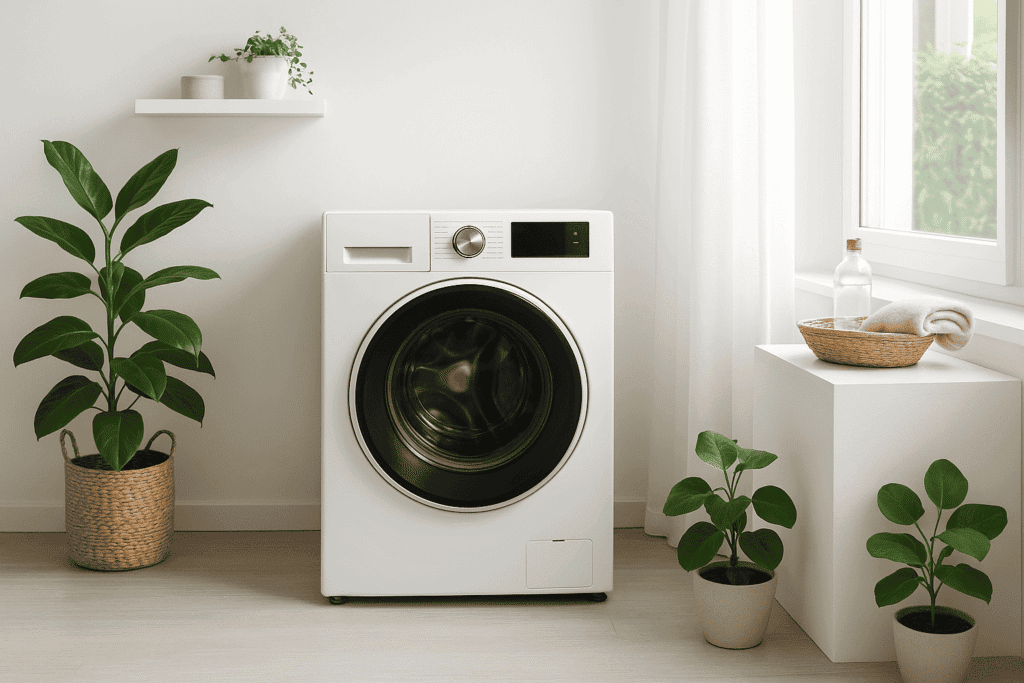
Energy efficient washing machines are no longer optional for homeowners who want to maintain a low cost, eco friendly lifestyle. According to recent consumer energy reports, washing machines account for a notable percentage of household electricity usage, especially in homes with frequent laundry cycles. Upgrading your machine can reduce your annual utility bills by as much as 35 percent.
Here is why these machines are more important than ever in 2025:
1. Rising electricity prices
Energy prices continue to rise globally. Cutting down on appliance consumption is one of the easiest ways to reduce your total energy expenses. You can explore additional tips in our full Home Energy Efficiency Guide.
2. Smart home integration
Many energy efficient washing machines now include smart sensors and WiFi connectivity, allowing you to track energy usage and schedule cycles when electricity costs are lowest. This aligns perfectly with other smart upgrades such as Best Smart Home Devices for Energy Efficiency.
3. Reduced carbon footprint
Efficient appliances require less power and water, making them an easy way to support sustainable living.
4. Longer appliance life
Machines with inverter motors and efficient wash systems experience less wear and tear. This reduces your long term maintenance and replacement costs.
5. Better washing performance
Modern technology ensures deep cleaning even with less water. This is especially useful for families with children or those who wash heavily soiled clothes regularly.
How Energy Efficient Washing Machines Work
To choose the best appliance for your home, it helps to understand how these machines actually save energy.
Inverter Motor Technology
Inverter motors adjust their speed depending on the load size rather than running at full power. This results in smoother, quieter operation and significant electricity savings.
Load Sensing Technology
Most modern washers automatically detect the weight of your laundry and adjust water levels accordingly. This prevents waste and ensures efficient washing.
High Spin Speeds
A faster spin cycle extracts more water from your clothes, reducing drying time and lowering the overall energy required for laundry.
Low Temperature Wash Options
Modern detergents work effectively at low temperatures. Washers that support eco mode or low temperature cycles reduce energy consumption dramatically.
Smart Wash Cycle Optimization
Some models use AI algorithms to analyze fabric type and soil level. This ensures clothes are cleaned using the minimum amount of water and electricity needed.
You can combine this understanding with a full home energy audit using our DIY Home Energy Audit Checklist to identify even more savings opportunities.
Front Load vs Top Load: Which is More Energy Efficient?
Choosing between front load and top load machines can significantly impact your energy use. Here’s a quick comparison to help you decide.
Front Load Machines
Front load washers are generally more efficient due to their tumbling motion which requires less water.
Advantages
• Uses up to 40 percent less water
• Faster spin speeds
• Better cleaning performance
• Ideal for households with frequent laundry
Disadvantages
• Higher upfront cost
• Requires bending to load and unload
Top Load Machines
Top load washers with impellers are more efficient than older agitator models, but still use more water than front loaders.
Advantages
• Easier to load and unload
• Shorter wash cycles
• Lower upfront cost
Disadvantages
• Uses more water
• Higher long term energy usage
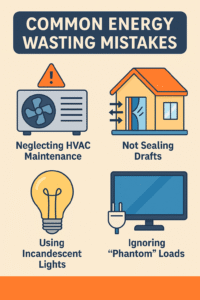
For additional ways to lower household energy waste, explore our guide on Energy Wasting Mistakes.
What Makes a Washing Machine Truly Energy Efficient?
When comparing machines, look beyond marketing claims. These key features determine real world efficiency:
Energy Star Certification
This indicates the machine uses at least 25 percent less energy than non certified models.
Water Factor Rating
A lower water factor means the machine uses less water per wash.
Inverter Direct Drive Motor
This reduces friction and energy loss, resulting in quiet and efficient operation.
Auto Detergent Dispensing
Prevents using excess detergent which can cause longer rinse cycles.
Eco Bubble or Foam Wash Technology
Some brands use air and water to pre foam detergent for better cleaning at low temperatures.
Smart Controls with Load Monitoring
Allows you to optimize wash cycles to reduce energy waste.
You can complement these savings with additional upgrades such as Smart Plugs for Energy Savings and Energy Monitoring Systems.
Top 10 Best Energy Efficient Washing Machines for 2025
After analyzing performance reports, user reviews, energy ratings, durability insights, and manufacturer data, here are the top picks for the best energy efficient washing machines of 2025. These models offer outstanding cleaning performance, water savings, and long term value.
1. LG 9 kg AI Direct Drive Front Load Washer
Best Overall Energy Efficient Washing Machine for 2025
The LG 9 kg AI Direct Drive is one of the most advanced and energy efficient washing machines available today. Its AI technology detects fabric type, weight, and soil levels to optimize the wash cycle automatically.
Key Features
• AI sensing delivers optimal wash settings
• TurboWash reduces wash time and energy consumption
• Steam technology removes allergens
• 5 star energy rating
• Inverter direct drive motor for silent operation
Why It Is Energy Efficient
Its precise water usage, fast spin speeds, and intelligent sensors result in superior performance with minimal energy consumption. LG continues to lead in efficiency, especially for households aiming to reduce laundering expenses.
2. Samsung EcoBubble 8 kg Front Load Washer
Best for Low Temperature Washing
Samsung’s EcoBubble technology pre mixes detergent with air and water to create bubbles that penetrate fabrics even at low temperatures. This drastically cuts energy consumption.
Key Features
• EcoBubble technology
• Hygiene steam wash
• Digital inverter motor
• SmartThings integration
• Delay end cycling
Why It Is Energy Efficient
You can wash clothes effectively at 20 degrees with minimal performance loss. Samsung’s inverter system also ensures quieter and more efficient operation. Pair it with smart home tools like energy monitoring systems for even more efficiency gains.
3. Bosch Serie 6 8 kg Front Load Washer
Best for Durability and Low Water Usage
Bosch machines are known for their German engineering and long-lasting components. The Serie 6 is designed to minimize water waste while offering gentle yet powerful cleaning.
Key Features
• ActiveWater Plus technology
• EcoSilence Drive
• SpeedPerfect washing
• VarioDrum for fabric protection
Why It Is Energy Efficient
ActiveWater adjusts water intake precisely and the EcoSilence motor ensures extremely efficient energy usage. A perfect appliance for homeowners planning long term energy savings.
4. Whirlpool 360 BloomWash Pro 7.5 kg Top Load Washer
Best Energy Efficient Top Load Washing Machine
If you prefer a top load washer but still want exceptional efficiency, the BloomWash Pro is an excellent choice.
Key Features
• 360 bloom wash motion
• Inverter technology
• Hard water wash mode
• Zero pressure fill technology
Why It Is Energy Efficient
It uses up to 20 percent less water than conventional top loaders and has an effective low energy motor system.
5. Haier 7 kg Inverter Front Load Washer
Best Budget Friendly Energy Efficient Washing Machine
The Haier 7 kg model delivers surprising efficiency at a lower cost, making it ideal for smaller families or renters.
Key Features
• Near zero pressure fill
• Anti bacterial wash
• Inverter motor
• Quick 15 minute cycle
Why It Is Energy Efficient
Its shorter cycles and precise water control make it perfect for households looking to save money without compromising cleaning quality. It pairs well with other smart home savings upgrades like smart thermostats.
6. Electrolux UltraMix 9 kg Front Load Washer
Best for Fabric Care and Gentle Washing
Electrolux is popular for premium fabric protection systems. The UltraMix model dissolves detergent before it enters the drum, improving performance at low temperatures.
Key Features
• UltraMix low temperature washing
• Vapour Refresh
• EcoInverter motor
• Load sensor
Why It Is Energy Efficient
You can wash delicate garments at 30 degrees without losing cleaning power. The EcoInverter system further reduces energy usage.
7. Panasonic Gentle Hand Wash 7 kg Washer
Best for Delicate Clothing and Small Homes
Panasonic’s gentle motion technology makes this machine perfect for households that focus on fabric safety while maintaining good efficiency.
Key Features
• Gentle hand wash mode
• Quick wash system
• Inverter motor
• Water save feature
Why It Is Energy Efficient
It uses targeted wash technology to reduce cycle times and improve efficiency for small to medium loads.
8. Midea 8 kg Inverter Front Load Washer
Best Quiet Operation Energy Efficient Washing Machine
The Midea 8 kg machine is ideal for apartment living due to its extremely quiet operation.
Key Features
• Inverter motor
• 1400 rpm spin
• Hygiene wash
• Eco wash cycle
Why It Is Energy Efficient
Its optimized motor and balanced drum design improve efficiency while reducing noise.
9. Siemens iQ300 8 kg Front Load Washer
Best for Technology Focused Households
Siemens machines combine German engineering with smart home compatibility.
Key Features
• iQdrive motor
• WaterPerfect Plus
• High speed spin
• Reload function
Why It Is Energy Efficient
WaterPerfect Plus optimizes water levels for every load size, saving energy across all wash cycles.
10. GE UltraFresh Vent System Washer
Best for Mold Prevention and Air Circulation
This GE model is extremely efficient and includes a unique UltraFresh vent system to prevent moisture buildup.
Key Features
• UltraFresh with OdorBlock
• SmartDispense detergent system
• Energy Star certified
• Microban antimicrobial technology
Why It Is Energy Efficient
It uses water efficiently and automates detergent use to prevent waste, helping lower energy and water bills.
Energy Efficiency Comparison Table 2025
Below is a quick comparison of the top machines based on energy usage, water consumption, capacity, and best use case.
| Washing Machine Model | Energy Rating | Water Usage | Capacity | Best For |
|---|---|---|---|---|
| LG 9 kg AI Direct Drive | 5 star | Very Low | 9 kg | Families |
| Samsung EcoBubble 8 kg | 5 star | Low | 8 kg | Low temp washing |
| Bosch Serie 6 8 kg | 5 star | Very Low | 8 kg | Long term durability |
| Whirlpool BloomWash Pro | 4 star | Medium | 7.5 kg | Top load users |
| Haier 7 kg Inverter | 4 star | Medium Low | 7 kg | Budget seekers |
| Electrolux UltraMix 9 kg | 5 star | Low | 9 kg | Fabric care |
| Panasonic 7 kg | 4 star | Medium | 7 kg | Small homes |
| Midea 8 kg Inverter | 4 star | Low | 8 kg | Quiet homes |
| Siemens iQ300 8 kg | 5 star | Very Low | 8 kg | Smart homes |
| GE UltraFresh | 5 star | Low | 8 kg | Mold prevention |
How Much Can You Really Save with Energy Efficient Washing Machines?
Switching to a modern, energy efficient washing machine can save you more than you expect. Here’s a breakdown:
Estimated Annual Savings
• Up to 35 percent lower electricity consumption
• Up to 40 percent lower water usage
• Reduced wear on clothing due to smarter wash cycles
• Lower detergent use with auto dispensing systems
Energy efficient laundry appliances also work well with other home energy upgrades such as:
• Energy Efficient Space Heaters
• DIY Weatherproofing
• Top 5 Energy Efficient Appliances
Do Higher RPM Spin Speeds Save Energy?
Yes. Higher spin speeds extract more water from your laundry, resulting in shorter drying times. Since dryers are among the most power consuming appliances in homes, this can lead to significant energy savings.
Front load machines typically offer the highest spin speeds, making them ideal for energy conscious homeowners.
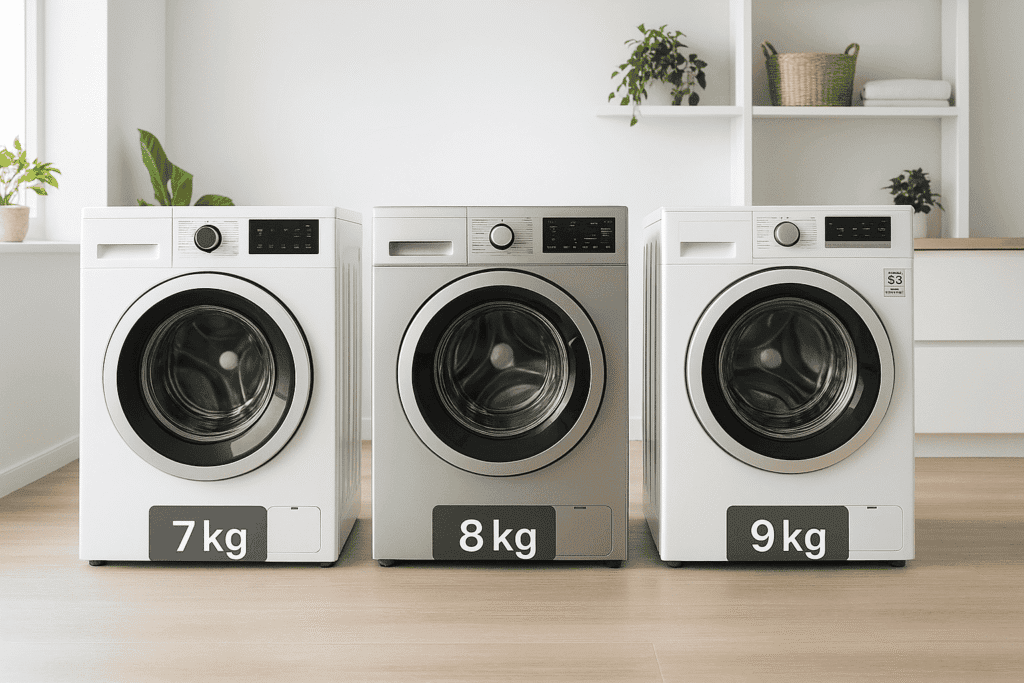
Which Washing Machine Size is Best for Energy Efficiency?
The ideal size depends on your family size and usage:
Small Households (1 to 2 people)
A 6 to 7 kg drum is usually sufficient and saves energy when washing small loads.
Medium Households (3 to 4 people)
A 7 to 8 kg drum offers a good balance of efficiency and capacity.
Large Families (5+)
A 9 to 10 kg drum ensures fewer wash cycles, which helps reduce total electricity use.
Choosing the right size also prevents overloading which wastes energy and affects cleaning efficiency.
People Also Ask: Most Common Questions About Energy Efficient Washing Machines
To ensure this guide matches real search intent, here are detailed answers to the top questions people search on Google about energy efficient washing machines in 2025.
Are energy efficient washing machines really worth the cost?
Yes, energy efficient washing machines are absolutely worth the investment, especially when you consider long term savings. Most modern models use 30 to 40 percent less water and up to 35 percent less electricity. Over the lifetime of the appliance, this can save homeowners thousands in utility costs.
They also reduce detergent waste, extend clothing lifespan, and provide better wash performance. When paired with broader home efficiency improvements like home energy audits and energy efficient window treatments, the savings multiply.
Do energy efficient washers clean as well as older machines?
Energy efficient washers typically clean better than older models because they use advanced sensors, optimized drum movement, improved detergent mixing, and more precise water control. Front load machines especially deliver deeper cleaning with less water because of their tumbling motion.
Manufacturers like LG, Samsung, Bosch, and Electrolux have developed entire technologies dedicated to low temperature cleaning that is as effective as hot water washing.
Which washing machine brand is the most energy efficient in 2025?
In 2025, LG, Samsung, Bosch, Electrolux, and Siemens lead the market in energy efficiency. Their inverter motors, low temperature washing systems, AI sensing, and optimized drum designs consistently reduce energy consumption.
Your best choice depends on your priorities:
• LG for overall efficiency and AI driven washing
• Samsung for low temperature bubble washing
• Bosch for durability and low water use
• Siemens for tech driven smart homes
• Haier for budget friendly efficiency
Do front load washing machines use less electricity than top load machines?
Yes, front load washing machines generally use significantly less electricity and water compared to top load machines. Their horizontal drum design uses gravity for washing instead of relying on an agitator. This reduces water levels and improves rinsing.
Front loads also spin faster, reducing drying time. This is especially useful if you use an electric dryer which consumes a lot of energy.
What is the most energy efficient wash cycle?
The eco wash cycle is the most energy efficient option on modern washing machines. It uses lower temperatures, optimized water levels, and extended soaking times to remove dirt without high energy use.
Additionally:
• Quick wash saves time but not always energy
• Cold wash reduces electricity consumption
• Low spin uses less energy but increases drying time
For best results, combine eco mode with proper detergent dosing.
Does an inverter washing machine save more energy?
Absolutely. Inverter motors adjust their speed based on load weight and fabric type. They avoid unnecessary power usage by running only as hard as needed. This results in:
• Lower electricity bills
• Longer motor life
• Quieter operation
• Reduced running costs
Most of the best energy efficient washing machines in 2025 use inverter motors as standard.
How long do energy efficient washing machines last?
Energy efficient washing machines typically last 10 to 15 years depending on usage and maintenance. Brands like Bosch, LG, and Samsung have some of the longest lasting inverter motors on the market.
You can extend lifespan by:
• Cleaning the drum monthly
• Removing lint and buildup
• Using the right amount of detergent
• Avoiding overloading
• Keeping the machine level
Regular home maintenance like preventing air leaks in your home (learn how here: How to Seal Air Leaks in Home: Step-by-Step Guide to Save Energy) can also improve appliance performance overall.
How can I reduce the energy usage of my washing machine even more?
Here are some powerful but simple ways to maximize savings:
1. Wash full loads whenever possible
Washing half loads frequently wastes water and power.
2. Use cold water washing
Heating water accounts for 70 percent of energy used in a wash cycle.
3. Choose high spin speeds
This reduces drying time which saves energy.
4. Pre soak heavily soiled clothes
This reduces the need for long hot cycles.
5. Use smart plugs
Energy monitoring smart plugs like those in our guide:
Top 5 Smart Plugs for Energy Savings allow you to track how much energy your machine uses.
6. Upgrade your water heater
A smart water heater reduces energy waste and pairs perfectly with efficient washing appliances. Learn more here:
Top 7 Smart Water Heaters for Energy Savings
7. Perform a home energy audit
A thorough inspection can reveal hidden sources of energy loss. You can start with this free checklist:
DIY Home Energy Audit Checklist (Free PDF)
Can solar power reduce the cost of running a washing machine?
Yes, if your home uses solar panels, washing your clothes during peak sunlight hours can dramatically reduce operating costs. Washing machines consume far less power than dryers, making them perfect appliances to run on solar energy.
To maximize benefits, explore guides like:
• https://thewattadvisor.com/best-portable-solar-panels/
• https://thewattadvisor.com/solar-inverters-for-homes/
• https://thewattadvisor.com/solar-net-metering/
How to Pick the Best Energy Efficient Washing Machine for Your Home
Choosing the right washing machine ensures maximum savings and long term performance. Here’s what to look for.
1. Energy Rating and Certifications
Always look for a 5 star energy rating or Energy Star certification. These models operate on optimized motor systems and water saving technologies.
2. Inverter Technology
Inverter motors consume significantly less energy and run much quieter. They also improve machine lifespan.
3. Load Capacity
Choose a machine that suits your household size. Oversized drums waste energy when washing small loads.
4. Spin Speed (RPM)
Higher RPM results in drier clothes which reduces dryer usage and energy consumption.
5. Water Saving Features
Look for technologies like:
• Auto load sensing
• Bubble washing
• ActiveWater or WaterPerfect
• Eco drum cleaning
6. Smart Features
Smart washing machines allow:
• Remote control
• Energy monitoring
• Custom wash cycles
• Automatic detergent dosing
These features can directly contribute to reducing wasted water and electricity.
7. Wash Programs
Modern washers offer specialized cycles for:
• Allergens
• Bedding
• Baby clothes
• Delicates
• Quick wash
• Heavy soil
Eco wash options should be available for maximum savings.
8. Durability and Build Quality
High quality machines with metal drums and inverter motors last longer and offer consistent efficiency over time. Bosch and Siemens particularly excel in longevity.
9. Noise Level
If you live in an apartment, choose a machine with low decibel ratings. Midea and Panasonic models perform exceptionally well in this area.
10. Budget
Energy efficient washing machines range from budget friendly to premium. But remember, choosing an efficient model typically pays for itself within a few years through reduced utility bills.
Final Buying Guide Checklist
Before you make your final decision, use this checklist to make sure you select the best energy efficient washing machine for your needs.
Energy Efficiency Checklist
• Five star rated or Energy Star certified
• Inverter motor for optimized power use
• Eco and cold wash cycles
• Auto load sensing
Performance Checklist
• High spin speed
• Multiple wash programs
• Effective detergent mixing
• Smart connectivity
Cost and Value Checklist
• Fits your budget
• Saves money long term
• Low maintenance requirements
• Good warranty
For even more home energy efficiency tips, explore our complete 2025 guide:
The Ultimate Guide to Home Energy Efficiency
Conclusion: Why Choosing the Best Energy Efficient Washing Machines in 2025 Matters More Than Ever
If you’ve made it this far, you now understand exactly why energy efficient washing machines have become one of the smartest home upgrades for 2025. These appliances do far more than wash clothes. They protect your wallet, reduce electricity waste, lower water consumption, and support a healthier, greener home environment. With advancements in inverter motors, AI wash sensors, low temperature cleaning, and smart connectivity, today’s energy efficient washing machines deliver performance that was unimaginable a decade ago.
Upgrading to one of the best energy efficient washing machines also means you save money every month without changing your lifestyle. They fit naturally into your daily routine while working behind the scenes to reduce waste. When you combine these machines with broader home improvement steps like sealing air leaks, installing smart thermostats, improving insulation, or exploring solar energy, the savings multiply fast. These guides can help you go even further:
• How to Seal Air Leaks in Home: Step-by-Step Guide to Save Energy
• How Smart Thermostats Save You Money: Complete Guide
• Best Insulation Materials for Energy Savings in 2025
As the world continues to focus on sustainability, investing in energy efficient washing machines is one of the easiest and most impactful decisions you can make. From lower bills to reduced environmental impact, the benefits extend far beyond the laundry room. These appliances are built to last longer, operate quieter, and deliver cleaner clothes with less water and power.
Whether you choose a premium option like the LG TurboWash series, a reliable Samsung BubbleWash model, or a durable Bosch front load machine, you’re making a smart and future ready decision. The right choice will keep your home efficient for the next decade while supporting your long term savings and comfort.
Remember, a more efficient home starts with informed choices. And choosing the best energy efficient washing machines in 2025 is one of the simplest ways to transform your home, your bills, and your everyday routine.
This Post was on Best Energy Efficient Washing Machines