Geothermal Heating and Cooling: Is It Worth It in 2025?
There’s a quiet revolution happening beneath our feet.
While the world rushes toward solar panels, smart home devices, and energy efficient appliances, another powerful technology has been working silently underground for decades. Today in 2025, more homeowners than ever are asking the same big question:
Is geothermal heating and cooling finally worth it?
You’ve probably heard people talk about how geothermal systems can slash energy bills, stabilize indoor temperatures, and practically run themselves for decades. You’ve also likely heard the other side of the story — the one about the upfront cost that makes many homeowners hesitate.
So which side is true?
And more importantly…
Is geothermal heating and cooling the right investment for YOU in 2025?
This article breaks everything down in a simple, practical, and human way. If you’ve ever wondered how a system powered by the steady temperature of the earth can heat and cool your entire home, or if the long term savings actually outweigh the installation cost, you’re in the right place.
Here’s what you’ll get when you read this full guide:
• A clear explanation of how geothermal heating and cooling works
• Updated 2025 cost, installation, efficiency, and lifespan data
• Real world savings comparisons versus traditional HVAC systems
• A breakdown of maintenance and operating costs no one tells you about
• A homeowner centered look at pros, cons, myths, and must know facts
• Answers to the questions people are asking on Google in 2025
• Tables, examples, and real scenarios to help you make a confident decision
• Expert tips from our energy efficiency research team
• Internal resources to deepen your home energy efficiency knowledge
By the end, you’ll understand whether geothermal heating and cooling is worth it in 2025 for your home, climate, lifestyle, and long term financial goals. Many of the readers who go through this full guide end up comparing geothermal to solar panels, smart thermostats, and insulation upgrades — and you can explore those options too using our resources like the Home Energy Efficiency Guide 2025 and Best Insulation Materials for Energy Savings.
Let’s dive deep and uncover the truth about geothermal heating and cooling in 2025.
This is your complete, real world guide — written to help you avoid costly mistakes and get the most from every energy upgrade you make.
What Is Geothermal Heating and Cooling and How Does It Work?
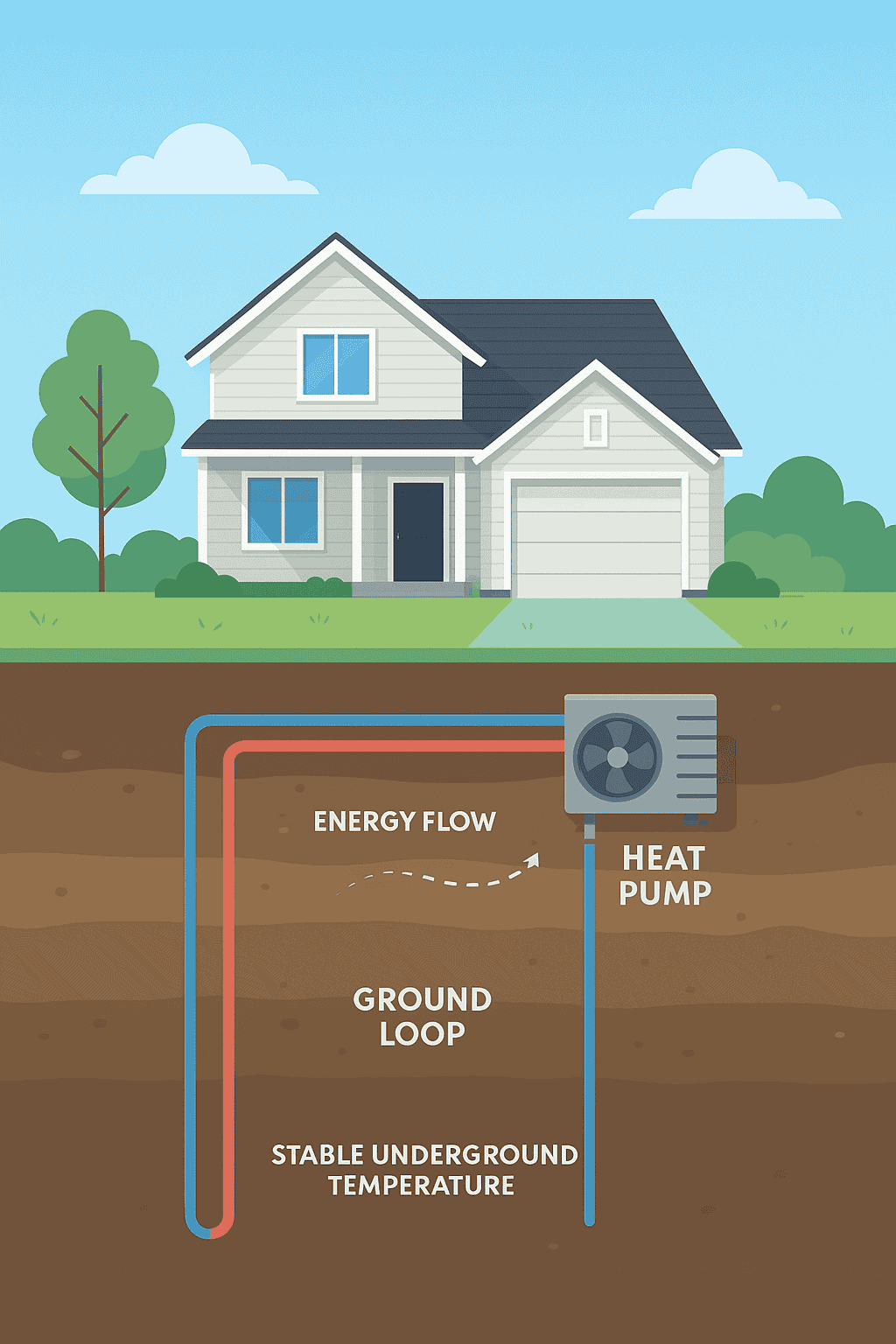
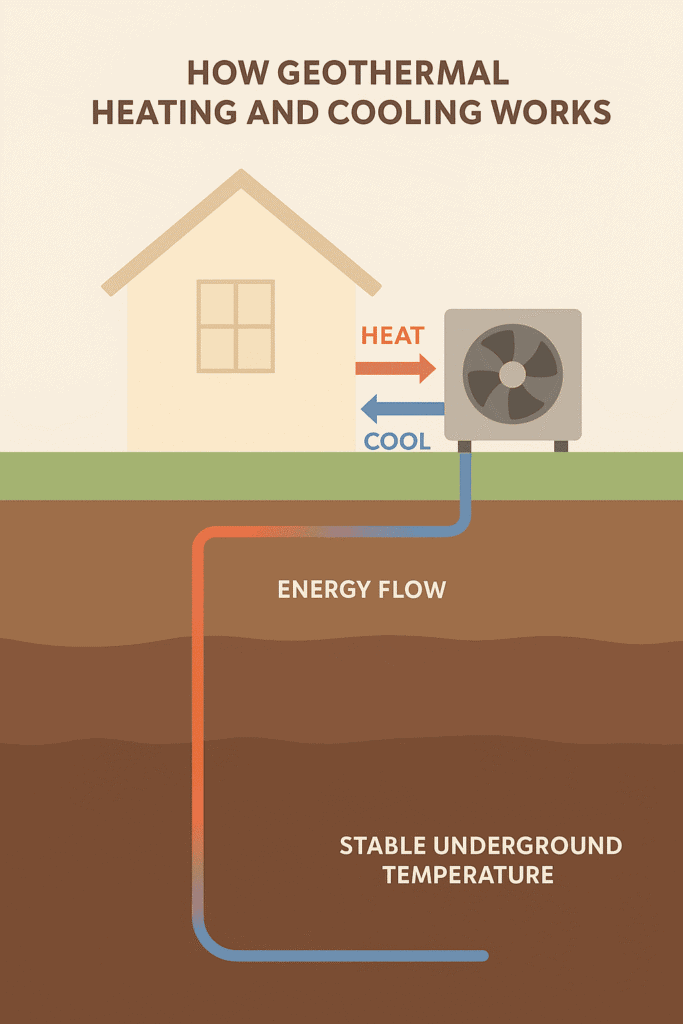
Geothermal heating and cooling uses underground temperatures to regulate your home’s indoor climate. Unlike outdoor weather, the temperature several feet below ground stays stable all year. A geothermal system taps into this steady heat source using buried pipes and a heat pump to provide heating in winter and cooling in summer.
Here’s the simplest explanation:
• In winter, the system pulls heat from the earth and transfers it into your home.
• In summer, it moves heat from your home back into the earth.
• The process uses electricity, but far less than a regular HVAC system.
The science is simple but powerful. Once you understand it, you’ll see why geothermal heating and cooling is becoming one of the most trusted long term energy solutions.
Also Read the Department of Energy geothermal heating and cooling explanation.
Why Homeowners Are Considering Geothermal in 2025
The year 2025 brings a mix of rising utility rates, climate concerns, and more interest in energy efficient homes. Many homeowners now use tools like smart thermostats, energy monitoring systems, and home energy audits to reduce waste. Geothermal fits perfectly into this growing trend because it offers:
• A major reduction in heating and cooling bills
• A long lifespan compared to traditional HVAC
• Stable comfort levels all year
• Strong performance in both hot and cold climates
• A lower carbon footprint
If you’re already taking steps like improving insulation, using smart gadgets, or preventing air leaks with weather stripping, exploring geothermal heating and cooling can take your home’s efficiency to another level. Consider pairing this guide with resources such as the Home Energy Audit Guide 2025 or the DIY Weatherproofing Guide.
Types of Geothermal Heating and Cooling Systems
There are three main types of systems used in residential geothermal installations:
Horizontal Loop Systems
These systems use long trenches and are best suited for medium to large properties with enough land. They’re often more affordable than vertical loop systems.
Vertical Loop Systems
These loops go deep underground using drilled shafts. They’re ideal for smaller properties or urban lots where space is limited.
Pond or Lake Loop Systems
If you have a pond on your property, this can be the most cost effective option. The loops transfer heat through the water rather than soil.
Cost of Geothermal Heating and Cooling in 2025
Let’s break down typical 2025 residential system costs:
| Component | Average Cost |
|---|---|
| Heat Pump Unit | 5000 to 10000 |
| Ground Loop Installation | 15000 to 30000 |
| Ductwork Adjustments | 1000 to 5000 |
| Total Installed Cost | 25000 to 45000 |
Yes, it’s expensive upfront. But that’s only part of the picture.
The real question is whether the long term savings justify the upfront cost.
We’ll cover that soon.
Be sure to also review long term savings comparisons in our Energy Saving Myths Busted guide to see why many homeowners underestimate their actual HVAC energy usage.
Geothermal Heating and Cooling Efficiency in 2025
Traditional HVAC systems typically offer efficiency ratings of:
• Furnace Efficiency: 80 to 96 percent
• Air Conditioner SEER: 14 to 22
Geothermal systems, on the other hand:
• Can reach efficiencies of 350 to 500 percent
• Deliver 3 to 5 units of heat for every unit of electricity
• Offer consistent output regardless of outdoor temperature
In practical terms, this means you get far more heating and cooling for every watt you consume.
How Much Can You Save With Geothermal Heating and Cooling?
Savings vary by climate, home size, insulation level, and fuel type. But typical results show:
• 40 to 70 percent heating cost reduction
• 20 to 50 percent cooling cost reduction
• Lower peak energy usage
• Monthly savings that increase as electricity rates rise
If you’ve already upgraded your weather sealing or installed energy efficient window treatments, geothermal will work even more efficiently. Consider reviewing the Seal Air Leaks in Home Guide and Energy Efficient Window Treatments for maximum performance.
How Does Geothermal Compare to Heat Pumps and Solar Panels?
Many homeowners compare geothermal systems to:
• Air source heat pumps
• Solar panel systems
• Solar roofs
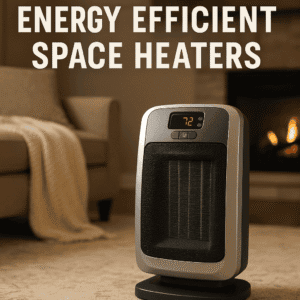
• Energy efficient space heaters
• Traditional gas or electric HVAC systems
Here’s a quick comparison:
| System | Efficiency | Lifespan | Cost | Best For |
|---|---|---|---|---|
| Geothermal Heating and Cooling | Very high | 25 to 50 years | High | Long term savings |
| Air Source Heat Pumps | High | 15 to 20 years | Moderate | Mild climates |
| Solar Panels | High | 25 to 30 years | Moderate to high | Reducing electricity usage |
| Solar Roofs | High | 25 to 30 years | Very high | Full renewable upgrades |
For deeper comparisons, see our guides on:
• Solar Panels vs Solar Roofs
• Home Heat Pumps Guide
• Energy Efficient Space Heaters
Is My Home Suitable for Geothermal Heating and Cooling?
Not every home is a perfect fit, but many are. In 2025, modern drilling equipment and compact loop designs make geothermal heating and cooling possible in more locations than ever. Here are the factors that matter:
1. Land Availability
Horizontal loop systems need space. If you have a large yard, you’re a strong candidate.
If not, vertical loops remain an option.
2. Soil Type
Clay and moist soil transfer heat better than rocky soil. Your installer will do a soil conductivity test to determine efficiency.
3. Existing Ductwork
Most homes with central HVAC systems can reuse existing ducts with minor adjustments.
This helps reduce installation cost.
4. Drilling Access
A clear path for drilling equipment ensures easier and faster installation.
If you’re unsure, consider doing a home energy audit first. You can use our free guide:
Home Energy Audit Checklist.
Geothermal Heating and Cooling Installation Process
Installing a geothermal system is a major project, but here’s the typical step by step timeline.
Step 1: Home Evaluation
An installer assesses your property size, soil conditions, energy usage, ductwork, and existing HVAC.
Step 2: Loop Design
Based on your home’s heating and cooling loads, the contractor determines loop type and size.
Also read about industry certified geothermal installation guidelines
Step 3: Excavation or Drilling
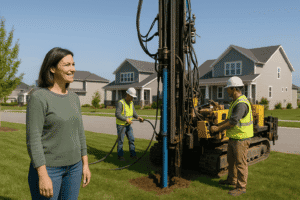
Either trenches are dug (horizontal system) or wells are drilled (vertical system).
This is the most time intensive part.
Step 4: Loop Pipe Installation
High density polyethylene pipes are placed underground. They are leak resistant and built to last for decades.
Step 5: Heat Pump Installation
The indoor unit replaces your furnace or air conditioner. It’s usually installed in the basement or utility room.
Step 6: Filling and Testing
Loops are filled with a water antifreeze mix. The entire system is pressurized and tested.
Step 7: Final Commissioning
Once connected, your geothermal heating and cooling system is calibrated, tested, and ready to run.
Most installations take 7 to 14 days depending on soil and weather.
Maintenance Requirements in 2025
One of the biggest advantages of geothermal heating and cooling is low maintenance.
Annual Maintenance Checks Include:
• Verifying refrigerant levels
• Flushing loops only if needed
• Inspecting the heat pump
• Changing air filters
• Checking thermostat settings
Most systems only require a yearly checkup plus filter replacements.
If you’re using a smart thermostat, you can reduce energy use even further.
See how in our guide:
How Smart Thermostats Save You Money Guide.
Pros of Geothermal Heating and Cooling in 2025
1. Extremely Low Operating Costs
Once installed, geothermal systems deliver some of the lowest long term costs of any HVAC solution.
2. Long System Lifespan
Ground loops last up to 50 years.
Indoor heat pumps last 20 to 25 years, longer than most AC units.
3. Consistent Comfort
Stable underground temperatures mean stable home temperatures.
4. Quiet Operation
There’s no outdoor compressor unit.
This makes geothermal perfect for noise sensitive neighborhoods.
5. Eco Friendly
Geothermal uses renewable earth heat and significantly reduces carbon emissions.
6. Increases Home Value
Homes with energy efficient and long lasting systems are in high demand.
Cons of Geothermal Heating and Cooling in 2025
1. High Installation Cost
The biggest drawback is the upfront investment.
2. Requires Drilling
Some properties may face restrictions depending on soil or local codes.
3. Best When Replacing Old HVAC
If your existing system is new, switching immediately may not be cost efficient.
Real Life Example: Geothermal vs Traditional HVAC Savings
Let’s compare an average 2500 square foot home in 2025.
| System Type | Annual Heating and Cooling Cost | 20 Year Cost | Maintenance |
|---|---|---|---|
| Traditional HVAC | 2600 | 52000 | Moderate |
| Air Source Heat Pump | 1800 | 36000 | Low |
| Geothermal System | 900 | 18000 | Very low |
Over 20 years, geothermal heating and cooling can save more than 30000 compared to a traditional system.
People Also Ask: Geothermal Heating and Cooling FAQ Style Sections
Does Geothermal Really Work in Cold Climates?
Yes. Because the system draws heat from underground temperatures, performance doesn’t rely on outdoor air like traditional heat pumps.
How Long Does It Take for Geothermal to Pay for Itself?
Typical payback period in 2025 is 6 to 12 years depending on electricity rates, fuel type, and home insulation.
Can I Add Solar Panels to Power My Geothermal System?
Absolutely. Pairing solar with geothermal reduces operational costs even further.
Learn more in our guide on Solar Inverters for Homes.
Is Geothermal Better Than Air Source Heat Pumps?
For long term savings and performance in extreme temperatures, geothermal usually wins. Air source heat pumps are still great options.
See our Home Heat Pumps Guide.
Can Smart Home Devices Make Geothermal More Efficient?
Yes.
Smart thermostats, smart plugs, and energy monitoring systems allow precise control and reduce waste.
Visit:
Best Smart Home Devices Energy Efficiency
Best Smart Plugs Energy Savings
Energy Monitoring Systems
Is Geothermal Heating and Cooling Worth It in 2025: Who Should Consider It?
You’re an ideal candidate if:
• You plan to live in your home long term
• Your yard allows drilling or trenching
• You want stable indoor temperatures year round
• You’re already reducing energy waste in other areas
• You want future proof, eco friendly heating and cooling
• You want the lowest possible operating cost
Geothermal heating and cooling is especially valuable when combined with upgrades like smart gadgets, solar battery storage, weather stripping, efficient window treatments, or insulation improvements.
Explore related energy saving resources here:
Energy Saving Myths Busted
Energy Efficient Light Bulbs
Energy Efficient Landscaping
Conclusion: Is Geothermal Heating and Cooling Worth It in 2025?
Geothermal heating and cooling stands out as one of the most powerful home energy investments available today. It offers unmatched efficiency, long term financial benefits, and steady performance in every season. In 2025, with rising energy prices and growing interest in sustainable living, geothermal heating and cooling provides a stable and predictable way to reduce your reliance on traditional systems. For many homeowners, the biggest question has always been whether geothermal heating and cooling justifies the upfront cost. After reviewing the data, the savings, the lifespan, and the comfort benefits, it’s clear that geothermal heating and cooling is worth serious consideration, especially for long term homeowners.
If you’re committed to lowering your energy bills, reducing your carbon footprint, and improving overall home comfort, geothermal heating and cooling offers one of the most reliable options available. The ability to pair geothermal heating and cooling with smart home devices, solar panels, energy monitoring systems, and weatherproofing upgrades makes it even more impactful. Once installed, geothermal heating and cooling requires very little maintenance, provides quiet and consistent heating and cooling, and is built to last for decades. That kind of peace of mind is rare in the HVAC world.
By now, you should have a clear understanding of whether geothermal heating and cooling is worth it in 2025 for your home, your climate, and your long term goals. If you’re looking for a sustainable, future ready solution that delivers comfort, efficiency, and meaningful savings, geothermal heating and cooling is an investment that pays off far beyond the financial numbers. It’s a smart, steady upgrade that can transform the way your home uses energy for years to come.